
Choosing the right fire alarm system for your business in Qatar isn’t simply about selecting the latest control panel or the cheapest option. The right system depends on your building size, number of occupants, layout, risk level, existing fire protection infrastructure, and applicable Qatar fire safety requirements. For an office, a conventional fire alarm system may be sufficient. A large hotel, warehouse, hospital, or commercial building may require a more advanced addressable fire alarm system with detailed monitoring and integration. Here’s how to make the right choice. 1. Start With Your Building and Fire Risk Before choosing a fire alarm system, understand what you’re protecting. Consider: For example, a small office with a straightforward layout has very different requirements from a warehouse storing combustible materials. Don’t choose the system first. Assess the building and its risks first. 2. Conventional vs Addressable Fire Alarm Systems One of the first decisions is whether your business needs a conventional or addressable fire alarm system. Conventional Fire Alarm System A conventional system divides the building into different zones. When a detector or manual call point is activated, the fire alarm panel identifies the affected zone rather than the exact device. It can be suitable for: Addressable Fire Alarm System An addressable system identifies individual devices on the network. This allows the control panel to provide more specific information about where an alarm or fault has occurred. It can be suitable for: Which one should you choose? Don’t automatically assume that addressable is better for every business. The right choice depends on your building size, layout, fire risk, number of devices, monitoring requirements and applicable requirements. A professional fire alarm company can assess the premises and recommend the appropriate configuration. 3. Consider What Type of Detectors You Need Your fire alarm system isn’t just the control panel. The detection devices are equally important. Depending on your building, you may need: For example, a smoke detector may not be appropriate in every environment. A kitchen, warehouse, plant room and office can have very different conditions, so detector selection should be based on the environment and expected fire risk. 4. Think About False Alarms False alarms can become a major problem for businesses. Dust, steam, cooking activity, temperature changes and unsuitable detector placement can cause unwanted alarms. When selecting a fire alarm system, consider: A properly designed system should balance early fire detection with minimizing unnecessary alarms. 5. Consider the Size of Your Business The number of rooms, floors and devices can influence which system makes sense. Small office A relatively simple fire alarm configuration may be sufficient depending on the building and applicable requirements. Medium-sized commercial building You may need multiple zones, more detectors, manual call points and additional notification devices. Large facility A larger building may benefit from an addressable system with detailed device-level identification, centralized monitoring and integration with other building systems. The key question is: Can the system support your current building and future expansion? 6. Think About Future Expansion Your business may not stay the same size. You may add: Choosing a system with adequate capacity can make future expansion easier. Ask your fire alarm contractor: How many additional devices, zones or loops can this system support? This is particularly important for growing businesses and multi-location organizations. 7. Check Integration With Other Fire and Security Systems A modern fire alarm system may need to communicate with other building systems. Depending on the project, integration can include: For example, access-controlled doors may need to respond appropriately during a fire emergency. Similarly, HVAC systems may need to interact with the fire alarm system depending on the building design and applicable requirements. Before purchasing, ask: Can this fire alarm system integrate with the other systems installed in my building? 8. Consider Qatar Fire Safety and QCDD Requirements This is particularly important when installing a fire alarm system in Qatar. Your system should be designed and installed according to the requirements applicable to your building and project, including relevant Qatar Civil Defence requirements and applicable fire safety standards. Qatar’s fire safety guidance references requirements for fire alarm systems and NFPA standards, including NFPA 72. This means businesses shouldn’t simply purchase equipment online or select a system based on price. The design, installation, testing and commissioning also matter. For a new commercial project or modification to an existing building, work with a qualified fire protection contractor familiar with the relevant Qatar approval and inspection process. 9. Don’t Choose a Fire Alarm System Based Only on Price The cheapest quotation isn’t necessarily the best option. When comparing fire alarm system quotations in Qatar, check what is actually included. Your quotation may need to account for: Two companies may quote completely different prices because their scope of work is different. So instead of asking: “Who is the cheapest?” ask: “What exactly is included in the quotation?” 10. Choose the Right Fire Alarm Company The contractor you choose is just as important as the equipment. Before hiring a fire alarm company in Qatar, ask: A company that can support your system after installation can be more valuable than a provider that only supplies equipment. What Fire Alarm System Does Your Business Need? There’s no single system that’s ideal for every business. Business type What to consider Small office Simple layout, number of rooms, occupants Retail store Customer areas, storage, occupancy Warehouse Storage type, ceiling height, fire risk Hotel Large number of rooms, occupants, evacuation School Occupancy, classrooms, evacuation Hospital Occupancy, critical areas, complex layout Restaurant Kitchen environment and cooking-related risks Data centre Sensitive equipment and specialized fire protection Industrial facility Higher-risk environments and specialized detection This is only a starting point. The actual system should be based on the building’s design, risk assessment and applicable requirements. Fire Alarm System Selection Checklist Before selecting a system, make sure you can answer these questions: Building Risk System Compliance Contractor How Al Doha For Fire Systems Can Help If you’re looking for fire alarm system installation in Qatar, Al Doha For Fire …
Fire safety is a critical requirement for residential, commercial, and industrial buildings in Qatar. Installing a fire alarm system is not just a safety measure—it is a legal requirement enforced by the Qatar Civil Defense Department (QCDD). This guide explains the step-by-step process of fire alarm installation in Qatar, compliance standards, and the key cost factors involved. TL;DR (Quick Summary) What Is a Fire Alarm System? A fire alarm system is an integrated network of detectors, control panels, alarms, and notification devices designed to detect smoke, heat, or fire and alert occupants and authorities. Common Components: Step-by-Step Process of Fire Alarm Installation in Qatar 1. Site Assessment & Risk Analysis A certified fire safety consultant inspects the building to determine: 2. System Design & Engineering Based on the assessment, engineers design a customized fire alarm system layout that includes: 3. Approval from Qatar Civil Defense (QCDD) The fire alarm design must be submitted to QCDD for approval. This step is mandatory for all commercial and industrial buildings. 4. Procurement of Fire Alarm Equipment Approved fire alarm devices and materials are sourced from certified manufacturers such as: Al Doha For Fire Systems (QCDD-approved fire safety contractor in Qatar) 5. Installation & Wiring Technicians install detectors, panels, and notification devices and run fire-rated cabling throughout the building as per the approved drawings. 6. System Programming & Integration The control panel is programmed to define alarm zones and integrate with: 7. Testing, Commissioning & Certification The system undergoes rigorous testing to ensure functionality. Once approved, a completion certificate is issued by QCDD. 8. Maintenance & Annual Inspection Regular maintenance is required to keep the system compliant and operational. Annual inspection and certification are mandatory in Qatar. Fire Alarm Installation Cost in Qatar The cost of fire alarm installation varies based on multiple factors. Key Cost Factors: 1. Building Size & Type Larger and high-risk buildings require more detectors and advanced systems, increasing costs. 2. Type of Fire Alarm System 3. Number of Devices The total cost increases with the number of detectors, manual call points, sounders, and panels installed. 4. Brand & Certification Internationally certified brands (UL, FM, LPCB) cost more but ensure compliance with QCDD regulations. 5. Installation Complexity These factors significantly impact labor and material costs. 6. Maintenance & AMC Costs Annual Maintenance Contracts (AMC) are required and add to the total lifecycle cost. Average Fire Alarm Installation Cost in Qatar (Estimated) System Type Estimated Cost (QAR per sq. meter) Conventional System 15 – 30 QAR Addressable System 30 – 80 QAR Intelligent / Integrated System 80 – 150 QAR Note: Prices vary based on project scope, brand, and contractor. Regulations & Standards in Qatar Fire alarm systems must comply with: Benefits of Installing a Fire Alarm System Tips to Reduce Fire Alarm Installation Costs Conclusion Fire alarm installation in Qatar is a mandatory safety requirement that involves design, approval, installation, testing, and maintenance. The cost depends on system type, building size, device count, and compliance requirements. Working with a certified fire safety contractor ensures compliance with QCDD regulations and protects lives and property. Frequently Asked Questions (FAQ) 1. Is fire alarm installation mandatory in Qatar? Yes, all commercial and industrial buildings must install QCDD-approved fire alarm systems. 2. How long does installation take? Small projects may take 1–2 weeks, while large commercial projects can take several months. 3. Do I need annual certification? Yes, annual inspection and certification by QCDD-approved contractors is mandatory. 4. Which is better: conventional or addressable fire alarm system? Addressable systems are better for large buildings, while conventional systems are suitable for small facilities.
Fire safety has evolved rapidly over the last decade, and businesses still relying on outdated fire systems may be unknowingly putting lives and assets at risk. With modern technology offering faster response times, predictive alerts, and AI-powered monitoring, there’s no better time than now to upgrade your fire safety system. Quick Fact: The National Fire Protection Association (NFPA) reports that outdated systems are a leading cause of preventable fire-related losses in commercial properties. What Is Considered an Outdated Fire System? Outdated fire systems are typically those installed more than 7–10 years ago and lacking modern features. Common signs include: Fact: Outdated fire systems are slow to respond, harder to maintain, and often non-compliant with today’s safety standards. What Makes Modern Fire Systems Smarter? Modern fire systems integrate smart tech, IoT devices, and real-time communication to provide a proactive approach to fire prevention. Key Features of Modern Systems: Outdated vs. Modern: What’s the Real Difference? Feature Outdated System Modern System Detection Speed Delayed Real-time, instant alerts Maintenance Manual, error-prone Predictive, automated Regulatory Compliance Often non-compliant Fully code-compliant System Integration Standalone IoT-enabled & cloud-based Mobile/Remote Monitoring Not available Fully integrated Why You Should Upgrade in 2025 Whether you manage a warehouse, school, hospital, or office complex, upgrading your fire system is about more than just compliance—it’s about saving lives and avoiding business disruption. Top Reasons to Upgrade: Trusted Fire Safety Experts in Qatar Looking to modernize your fire protection system in Qatar? Al Doha Fire Safety & Security offers cutting-edge fire detection, suppression, and monitoring solutions tailored to meet the latest regulatory standards and building requirements. FAQs: Get the Facts Fast Q1: What are the signs that my fire system is outdated?If your system hasn’t been updated in over 5–7 years, lacks smart features, or relies solely on manual alarms, it’s time for an upgrade. Q2: How does AI improve fire safety?AI analyzes sensor data in real time to predict potential fire hazards before they escalate, enabling faster response and early evacuation. Q3: Can I retrofit a modern fire system into an old building?Yes. Modern systems are designed for easy integration into both new and existing infrastructures. Final Thoughts: Don’t Wait Until It’s Too Late Fire emergencies don’t wait—and neither should your safety system. Upgrading from an outdated fire system to a modern, AI-enabled solution can make all the difference when seconds count. Partner with trusted professionals like Al Doha Fire Safety & Security to bring your fire safety into the future.
Ensuring the safety of your property and its occupants is paramount, and a crucial component of this is having an effective fire alarm system. In Qatar, where adherence to stringent fire safety regulations is mandatory, selecting the right service for fire alarm installation is essential. This guide will walk you through the importance of fire alarm systems, factors to consider when choosing one, and actionable steps to book a reliable installation service in Qatar. Why Fire Alarm Systems Are Essential Fire alarm systems serve as the first line of defense against potential fire hazards, providing early detection and warning to occupants. This early alert allows for timely evacuation and prompt response from emergency services, thereby minimizing property damage and saving lives. In Qatar, compliance with fire safety regulations is not only a legal obligation but also a critical measure to ensure the well-being of all building occupants. Key Considerations When Choosing a Fire Alarm System Selecting the appropriate fire alarm system involves evaluating several factors: Steps to Book a Fire Alarm Installation Service in Qatar To secure a reliable fire alarm installation service, follow these actionable steps: Examples of Fire Detection Systems in QatarIn Qatar, fire detection systems are crucial for ensuring safety in residential, commercial, and industrial buildings, in line with the Qatar Civil Defence Department (QCDD) regulations. Common examples of fire detection systems include smoke detectors, which are widely installed in homes, offices, and shopping malls to sense smoke particles and trigger alarms. Heat detectors are another popular system, typically used in areas where smoke detectors may not be suitable, such as kitchens or garages. These systems activate when temperatures rise above a set threshold, helping prevent fire outbreaks early. More advanced systems include addressable fire alarm systems, often used in high-rise buildings, airports, and hospitals across Doha and other major cities. These systems provide precise information on the location of the fire, allowing for quicker response times. Qatar also implements aspirating smoke detection systems in critical infrastructure like data centers and oil & gas facilities, which detect even the smallest particles of smoke. These systems are essential for complying with both international fire safety standards and QCDD-approved protocols. FAQs Q: How often should fire alarm systems be inspected in Qatar? A: Regular inspections should be conducted as per QCDD guidelines and NFPA standards to ensure system functionality and compliance.bps.mme.gov.qa Q: Are wireless fire alarm systems permitted in Qatar? A: Wireless systems may be used if they meet the specific requirements set by QCDD and are suitable for the building’s design.LinkedIn Q: What is the typical duration for installing a fire alarm system? A: Installation time varies based on building size and system complexity but should be clearly outlined in the service provider’s proposal. Q: Can existing fire alarm systems be upgraded to meet current standards? A: Yes, many providers offer system assessments and upgrades to ensure compliance with the latest safety regulations. Q: Is it mandatory to have a monitored fire alarm system in Qatar? A: While not always mandatory, monitored systems are recommended for enhanced safety and may be required for certain building types. Conclusion Investing in a professionally installed fire alarm system is a critical step toward safeguarding your property and occupants in Qatar. By carefully assessing your needs, understanding regulatory requirements, and selecting a reputable service provider, you can ensure a reliable and compliant fire safety solution. Always prioritize ongoing maintenance and stay informed about local fire safety standards to maintain optimal protection. For more information on fire alarm systems and services in Qatar, consider consulting with certified providers such as Al Doha For Fire Systems.
As the Middle East leads the way in smart city innovation, safety remains a non-negotiable priority. In this transformation, Public Address (PA) systems play a key role — especially in supporting emergency response, fire evacuation protocols, and real-time risk communication. This guide explores how modern PA systems — integrated with AI, fire alarms, and IoT — are reshaping public safety in the urban Middle East. What Is a Public Address System in a Smart City Context? A Public Address system is an emergency communication tool designed to deliver clear, real-time voice announcements across public spaces. While traditionally used for announcements in malls or airports, in today’s smart cities, these systems are part of an integrated safety network. At Al Doha Fire, our PA/VA (Voice Alarm) systems are tailored to: Why PA Systems Are Crucial for Smart Cities in the Middle East From Doha and Riyadh to Dubai and Muscat, smart city projects are expanding at rapid speed. But what makes PA systems so essential? 1. Emergency Communication During Fire Incidents In case of fire or gas leaks, seconds matter. A well-integrated PA/VA system can broadcast evacuation instructions clearly, helping guide people to safety quickly — even in high-rise buildings or large industrial zones. This is vital in a region where urban density is high and commercial infrastructures are growing. Al Doha’s PA systems integrate directly with fire detection and suppression systems, ensuring automated, timely alerts across every zone of a building. 2. Multi-Lingual Public Safety Communication With multicultural populations across Qatar, UAE, and Saudi Arabia, clear communication is a challenge. Modern PA systems support multi-language audio, ensuring that safety instructions are understood by all residents and visitors — reducing confusion during critical moments. 3. Seamless Integration with Smart Fire Systems The future of fire safety is in smart integration. Our PA systems are built to connect with: This allows cities and property managers to create a centralized safety command system, capable of responding intelligently to emergencies. How Al Doha Fire Supports Smart Safety Infrastructure –Customized PA/VA Systems for Every Project Whether you’re designing a hospital, airport, metro station, or smart residential tower, we provide tailored voice evacuation systems compliant with NFPA and Civil Defence regulations. –Compliance With Local and International Standards We ensure our systems meet all required standards, including Qatar Civil Defence (QCDD) and international codes like EN 54 and NFPA 72. –Maintenance and Annual Testing We offer scheduled inspections and 24/7 emergency support to ensure your PA system functions optimally — always ready when you need it most. Step-by-Step: How to Implement a Smart PA System for Fire Safety FAQs About Public Address Systems for Smart City Safety Q1: How do PA systems help during a fire emergency? They provide real-time voice instructions, guiding people safely out of danger zones. When integrated with fire alarms, the system automatically triggers evacuation messages. Q2: Can PA systems be used outdoors in smart cities? Yes. Outdoor-rated speakers can be used in parks, streets, and public squares to broadcast emergency warnings or public safety updates. Q3: Do PA systems need to be connected to the building’s fire alarm system? For maximum safety and code compliance, yes. Integration ensures immediate and accurate messaging in case of fire or system faults. Q4: What makes Al Doha Fire different? We don’t just install — we design, integrate, maintain, and test end-to-end safety solutions aligned with your smart infrastructure goals. Final Thoughts: PA Systems as Pillars of Smart Urban Safety As Middle Eastern cities continue evolving into connected, intelligent ecosystems, emergency preparedness must evolve too. Public Address systems — when designed with fire safety in mind — become life-saving assets. At Al Doha Fire Safety & Security, we’re proud to support Qatar and the wider region with compliant, intelligent, and future-ready PA/VA solutions. Whether you’re building a smart tower or upgrading a city block, our expert team is here to help you plan, protect, and progress. Explore our PA/VA and fire alarm solutions here
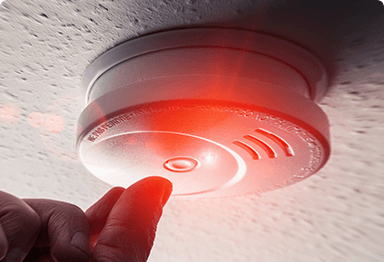
Fire detection systems are one of the most important safety measures for any home or business. They provide an early warning of fires, allowing you to take action before it’s too late. Al Doha For Fire Systems offers a wide range of fire detection solutions that can be tailored to your specific needs and requirements. Here are some reasons why installing a fire detection system is essential: 1) Early Detection: One of the main advantages of having a fire alarm system is that it detects smoke from fires quickly and accurately, giving you more time to act in case there’s an emergency situation. This means that if there’s ever a danger in your premises, everyone will have enough time to evacuate safely before things get worse. 2) Cost-Effective Solution: Installing and maintaining fire alarms may seem like an expensive investment at first but they actually save money over time by reducing potential losses due to property damage or injury caused by fires onsite. Plus, with Al Doha For Fire Systems’ competitive prices, you can rest assured knowing that our products offer excellent value for money! 3) Automated Monitoring: Our state-of-the-art monitoring systems allow us to keep track 24/7 so we know immediately when something isn’t right – even if nobody’s around! This ensures rapid response times which minimizes the risk associated with possible delays during emergency situations such as housefires or other hazardous incidents requiring immediate attention from authorities. 4) Peace Of Mind: Having reliable protection against potential disasters gives peace of mind knowing all occupants within the premise are safe no matter what happens outside its walls. Knowing this makes life easier, especially since many people don’t have extra resources available during times of crisis. With proper installation & maintenance provided by experts like those found at AL DOHA FOR FIRE SYSTEMS, customers can sleep soundly without worrying about their loved ones being put into harm’s way anytime soon! Investing in quality detectors & alarm systems from AL DOHA FOR FIRE SYSTEMS provides numerous benefits including fast response times, cost savings & assurance all occupants remain safe regardless of circumstances that arise outside building premises! Contact us today to learn how we help protect family members while providing piece mind every day!
Input your search keywords and press Enter.
